



Lead detected above national investigation level at 10 Broken Hill childcare sites
 Article
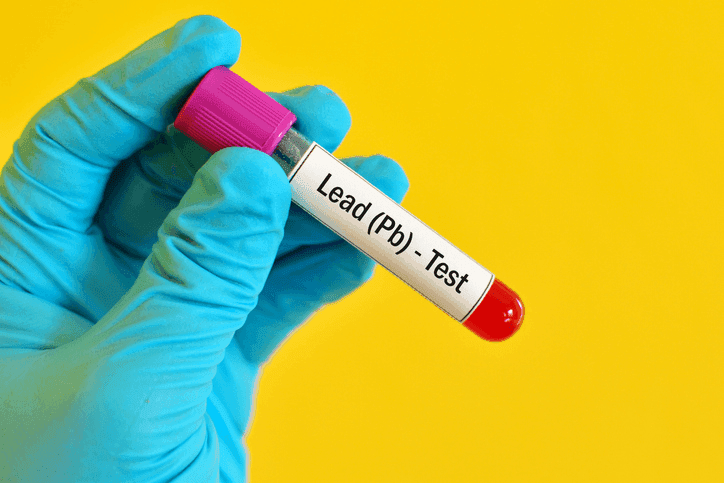
Lead contamination above the national health investigation level has been detected in soil at 10 early childhood education and care sites in Broken Hill, with one result reaching almost 10 times the threshold used to trigger further assessment.
New sampling data reported by The Sydney Morning Herald shows that 19 childcare centres, family day care services and preschools in the NSW outback city were sampled, with 10 recording lead concentrations above the national health investigation level of 300 milligrams per kilogram (mg/kg).
The highest concentration recorded was 2,933 mg/kg, almost 10 times the investigation threshold.
However, only four of the 10 sites had reportedly undergone remediation, raising questions about how contamination is being managed and communicated to families at services attended by young children.
The National Environment Protection Council has established a health investigation level of 300 mg/kg for lead in soil at residential settings where children have substantial opportunities to access soil.
This category includes childcare centres, preschools and primary schools.
Importantly, exceeding the investigation level does not automatically mean a site is unsafe or that children have experienced harmful lead exposure.
Rather, an exceedance triggers further assessment to determine the potential exposure risk and whether mitigation or remediation is required.
The NSW Environment Protection Authority (EPA) said sites recording results above the threshold could continue to be used safely where appropriate risk-management measures were implemented.
The findings are significant because young children are particularly susceptible to lead exposure.
According to information provided as part of the reporting, children can absorb substantially more lead than adults from the same ingested dose.
Young children's frequent hand-to-mouth behaviours can also increase their potential exposure where contaminated soil is accessible.
Lead exposure in children has been associated with impacts on neurological development, including reduced cognitive function and behavioural and learning difficulties.
The presence of elevated lead in soil therefore requires consideration not only of the concentration detected, but whether children can access the contaminated area and the likelihood and duration of potential exposure.
Of the 10 ECEC sites where lead concentrations exceeded the investigation level, four had reportedly undergone remediation.
The EPA said testing was offered on an opt-in basis and landowners were required to consent before sampling could occur.
“All sites that tested above the 300 mg/kg investigation trigger threshold and chose the option of remediation received this work,” an EPA spokesperson said.
That means remediation was not automatically undertaken at every service where an exceedance was identified.
The highest recorded result of 2,933 mg/kg was among the sites tested, although the reporting said it remained unclear whether that particular site had opted to undertake remediation.
The way results have been communicated to families is another significant aspect of the issue.
The EPA said childcare centres, preschools and schools that participated in testing were provided with their sampling results and an assessment report.
Individual services were then responsible for communicating directly with families.
The EPA cited privacy considerations as the reason individual services were responsible for communicating their results rather than the authority publicly identifying affected centres.
The approach raises a broader question about transparency when environmental testing identifies contamination at locations attended by young children.
For families, understanding whether their child's service has been tested, what the results mean and whether remediation has occurred is critical to making sense of potential risk.
The findings need to be understood within the particular environmental context of Broken Hill, rather than as evidence of a statewide childcare contamination problem.
The mining city has a long history of environmental lead contamination associated with more than a century of mining and mineral processing.
The childcare testing therefore forms part of a much broader challenge around reducing children's exposure to lead within the Broken Hill community.
This distinction is important for the ECEC sector: the results relate to services in a community with a known legacy contamination issue, rather than 10 unidentified childcare services spread across NSW.
For ECEC providers, the findings highlight a less visible dimension of maintaining safe early learning environments.
Environmental hazards may not originate from the operation of a service itself.
Historical land use, contaminated fill, neighbouring industrial activity and broader environmental contamination can all create risks that require assessment and management.
For providers developing or acquiring services, environmental due diligence can therefore be an important part of understanding a site's risk profile, particularly in locations with known histories of industrial, mining or other potentially contaminating activities.
Existing services also need processes for responding when environmental hazards are identified, including restricting access where necessary, obtaining specialist advice, implementing recommended controls and communicating clearly with educators and families.
Perhaps most importantly, environmental contamination involving early childhood settings requires careful communication.
Terms such as “toxic”, “lead contamination” and “10 times the threshold” understandably generate concern.
But there is an important distinction between detecting lead above an investigation threshold and establishing that a child has experienced harmful exposure.
The 300 mg/kg level is designed to trigger investigation and assessment. It is not, by itself, evidence that children attending a particular service have experienced adverse health effects.
At the same time, the vulnerability of young children means elevated results cannot simply be dismissed.
Families need clear information about what was detected, where it was found, whether children could access the affected soil, what controls have been introduced and whether remediation has been completed.
The Broken Hill results provide a reminder that child safety within ECEC encompasses more than the hazards providers can readily see.
Physical environments, historical land use and environmental contamination can all influence the safety of places where children learn and play.
For providers, environmental risk should therefore form part of broader governance, property management and due-diligence processes.
For authorities, the finding that 10 of 19 early childhood sites tested exceeded the investigation threshold, while only four had reportedly undergone remediation, is likely to keep attention focused on how testing, remediation and communication are managed in communities with known contamination risks.
And for families in Broken Hill, the most important questions are likely to be much more immediate: Was my child's service tested? What did the testing find? And if elevated lead was detected, what has been done about it?

Don’t miss a thing

Related Articles