




Explorers Early Learning Founder Lynda Salvo on the Launch of Explorers Somerville: A first-of-its-kind bush kinder
 Article
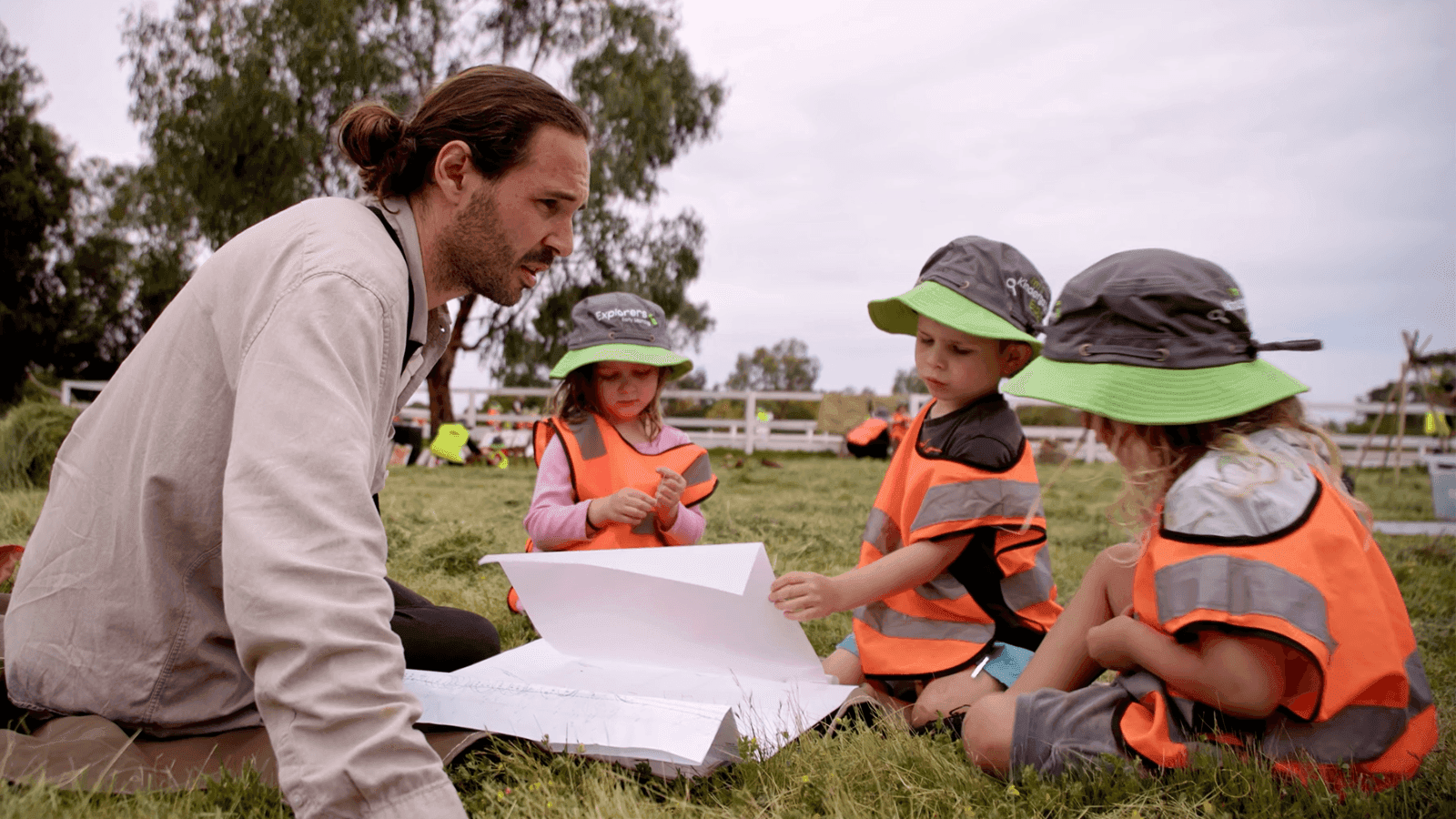
Explorers Early Learning is innovating nature-based learning through Explorers Somerville, a new learning precinct on the Mornington Peninsula that will operate as both a full-time kindergarten and an excursion destination for children across the Explorers network. Excursions to Explorers Somerville began in December 2025, while the 100 place kindergarten centre will open full-time later this year.
As the team prepares to launch, founder and CEO Lynda Salvo spoke with The Sector about the philosophy behind the project, how the precinct will support children and educators, and why investment in leadership, place and long-term thinking matters at a time of continued change across the ECEC sector.
Q: Explorers Early Learning is launching a nature-based learning precinct in Somerville. What drove the decision to build a dedicated bush kinder facility of this scale?
We believe children learn best when they are given the time, space and confidence to explore. Nature has always been central to that philosophy, but Somerville gave us the opportunity to bring it to life in a new way.
The idea came from a desire to keep learning and keep challenging ourselves. We began thinking seriously about what it would mean to give children access to land in a way that was immersive and to create a place where curiosity, joy and exploration could shape the program from the ground up.
When we found the Somerville site, it immediately felt special. It gave us the chance to build something that is a destination designed around childhood, the environment and the belief that children should be able to connect meaningfully with the world around them.
Q: Somerville operates on a "two-tier" model – serving both as a permanent kindergarten for 100 children and an excursion destination. How does this dual function work in practice, and what are the benefits for the broader Explorers Early Learning centres?
On one level, Explorers Somerville will operate as a dedicated full-time kindergarten for local three and four-year-olds, with 100 permanent places later this year. On another, it will be an excursion destination for children from nine other Explorers centres, who will visit for bush kinder experiences and the Artist in Residence program.
Somerville is open now for excursions and available for Explorers Armadale, Beaconsfield, Brighton East, Dandenong, Frankston North, Mornington, Nunawading, Surrey Hills Elgar Rd, and Surrey Hills Stanley Tce centres.
This means Somerville becomes a shared learning precinct. Children can come onto the land, play, investigate and form connections, and then bring those ideas, that confidence and that sense of wonder back to their home centre.
For our broader network, that creates a strong ripple effect. It allows us to extend high-quality nature-based learning beyond one location, share practice across teams, and make Somerville a kind of hub that influences how children and educators think about learning in different settings.
Q: You’ve referred to the environment as the "third teacher." Can you explain this?
We have a strong Reggio Emilia philosophy, and a core part of that is the understanding that the environment is the third teacher. The way an environment is designed shapes how children feel, what they notice, how they move, and whether they feel invited to explore, collaborate and investigate.
At Somerville, we see the land itself as a teacher for the children. The precinct has been designed to invite discovery rather than direct it. There are natural settings, open-ended materials, and opportunities for children to test ideas in their own way.

Q: The ECEC sector is currently facing significant workforce retention challenges. How does investing in a precinct like Somerville help attract and retain high-quality educators?
High-quality educators want more than a job. They want to feel connected to a clear philosophy, to work in an environment that respects their practice, and to see genuine opportunity for growth.
We have always believed retention comes from real investment in people. That includes professional development, leadership pathways and workplaces where educators can thrive and feel proud of what they do.
We recently launched our Future Leaders Program, open to educators whether employed at Explorers or elsewhere, career changers, and mothers returning to the workforce. An industry first, it's a good example of our commitment to educators across the sector.
Another example is our yearly Italy excursions, where we take employees over to the birthplace of Reggio Emilia for an immersive learning experience. This May, a group of us head over for a week.
Q: You started Explorers in 2006 because you couldn't find the childcare you wanted for your own son. Twenty years later, you run 20 centres and remain 100% family owned. How does the launch of Somerville reflect the core principles you founded the business on? Was it always the plan?
The scale is different, but the intention is the same. Explorers began because I wanted something better for my own child, and that meant creating environments where children are supported to thrive.
Somerville reflects those original principles. It is child-centred, values-led and built around the belief that early learning should feel rich, purposeful and full of possibility. We are still guided by the idea that families should not have to compromise when it comes to the education and care their children receive.
We started by trying to build something we believed in and to keep raising the standard as we learned. Somerville feels like a natural next step in the journey.
Q: As a female founder who has spent two decades shaping early childhood education, what do you see as the next major evolution needed in the sector?
For me, the next major evolution is leadership, and particularly how we identify, support and elevate women into positions of influence across the sector.
Early childhood education has been built by women, but that is not always reflected in how leadership is developed, recognised or rewarded. We need stronger pathways into leadership, more investment in capability, and a much clearer commitment to backing the people who already know this work deeply.
That also means broadening the way we think about professional growth. It is not only about compliance or operational readiness. It is about building confident, ambitious leaders who can shape pedagogy, culture and future direction. If we invest in that well, the impact will be felt right across the workforce and, ultimately, in outcomes for children and families.
As services across Australia consider how environments, pedagogy and workforce strategy intersect, the Somerville model offers one example of how purposeful investment can support both educator practice and children’s learning experiences.


Don’t miss a thing


Related Articles