




Children of female first responders have a book to help explain PTSD
 Article
Children of female first responders finally have a book to help explain PTSD
Many children in early childhood education and care (ECEC) settings live in families supported by frontline workers, including police, paramedics, firefighters and emergency call operators. For educators, understanding the pressures these families may experience can play an important role in supporting children’s emotional wellbeing, behaviour and sense of security.
As more women take on frontline emergency roles across Australia, a new children’s book is helping families explain the invisible impact of trauma experienced by those who serve their communities.
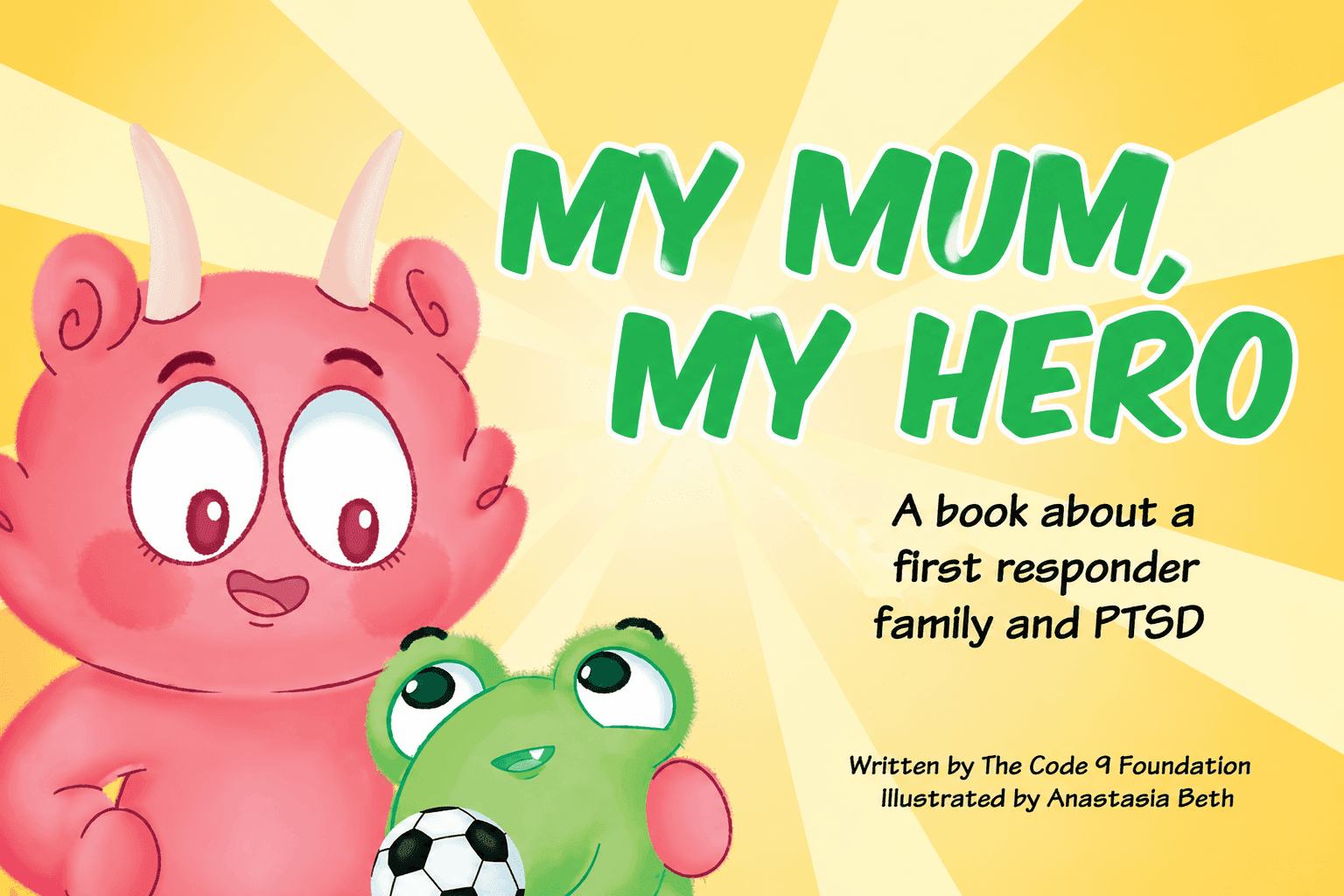
The Code 9 Foundation has released My Mum, My Hero, a companion to the widely supported My Dad, My Hero, to help children understand post-traumatic stress and other mental health injuries affecting first responders.
The release comes as research continues to highlight the mental health toll faced by emergency service workers. The national Beyond Blue Answering the Call study, which examined nearly 15,000 police and emergency services personnel across Australia, found:
- 1 in 10 currently serving first responders experience probable PTSD
- Up to 1 in 4 former first responders experience PTSD after leaving the profession
- More than one-third report high or very high psychological distress
Emergency workers are also exposed to traumatic incidents far more frequently than the general population due to the nature of frontline work.
Women now make up more than half of Australia’s paramedic workforce, nearly one-third of police officers, around 10 per cent of firefighters, and the majority of 000 operators, highlighting the growing number of mothers serving on the frontline of Australia’s emergency response system.
Despite these shifts, resources helping children understand the emotional toll of frontline work have historically focused on fathers.
Victoria Police Sergeant and Code 9 Foundation Treasurer Madeline Gillard said the book reflects the experiences of many families in emergency services.
“First responders see things most people will never have to experience,” Sergeant Gillard said.
“But when you have children, one of the hardest things can be explaining why you might sometimes seem different after difficult incidents at work.
“This book gives families a way to start those conversations and reassure children that even when the job is tough, their mum is still their hero.”
Victoria Police Sergeant Jaime Coles said children of first responders often witness the pressures of the job without fully understanding what their parents experience.
“Children are incredibly perceptive. They notice when their parents are tired, when they’ve had a difficult shift, or when something is weighing on them,” Sergeant Coles said.
“Resources like this help children understand that what their mum does is important, but that they’re also supported and never alone.”
Research examining emergency services families has shown the psychological impact of trauma often extends beyond the first responder themselves. Partners and children frequently carry the emotional strain of supporting a loved one exposed to repeated traumatic events.
My Mum, My Hero helps children understand that while their mum’s work can expose her to difficult experiences, she remains their hero and they are not alone.
Australia has more than 120,000 professional first responders, including police, paramedics, firefighters and 000 operators. The book forms part of the Code 9 Foundation’s broader mission to support current and veteran professional first responders and their families.
The Code 9 Foundation is a 100 per cent volunteer-run organisation providing support, connection and practical resources for first responders and their families.
Women in Australian first responder roles

Scale of Australia’s first responder community

About the Code 9 Foundation
The Code 9 Foundation is a 100 per cent volunteer-run Australian charity supporting the families of current and veteran professional first responders, including police, firefighters, paramedics and 000 operators.
Research shows around one in ten professional first responders will experience a mental health injury during their career, often as a result of repeated exposure to traumatic incidents.
The foundation provides practical support, connection and resources designed to help families understand and navigate the challenges associated with frontline service.
Initiatives include children’s books such as My Dad, My Hero and My Mum, My Hero, peer support, family connection programs and assistance initiatives that strengthen the wellbeing of first responder families.
The foundation’s work recognises that the impact of trauma does not stop with the first responder, it is often carried by the families who stand behind them.
As more women serve on the frontline in policing, paramedicine, firefighting and emergency communications, My Mum, My Hero offers a timely way for families to talk with children about trauma, resilience and connection. For early childhood settings supporting children from first responder families, the book also highlights the importance of understanding the experiences children may carry beyond the workplace and into everyday life.


Don’t miss a thing


Related Articles