



Behaviour, regulation and trauma-informed practice: positioning music as an everyday tool in ECEC
 Marketplace
In ECEC settings, behaviour is increasingly understood through the lens of regulation rather than compliance. This shift reflects growing awareness of the neurobiology of stress and the importance of safe, predictable environments in supporting children’s development.
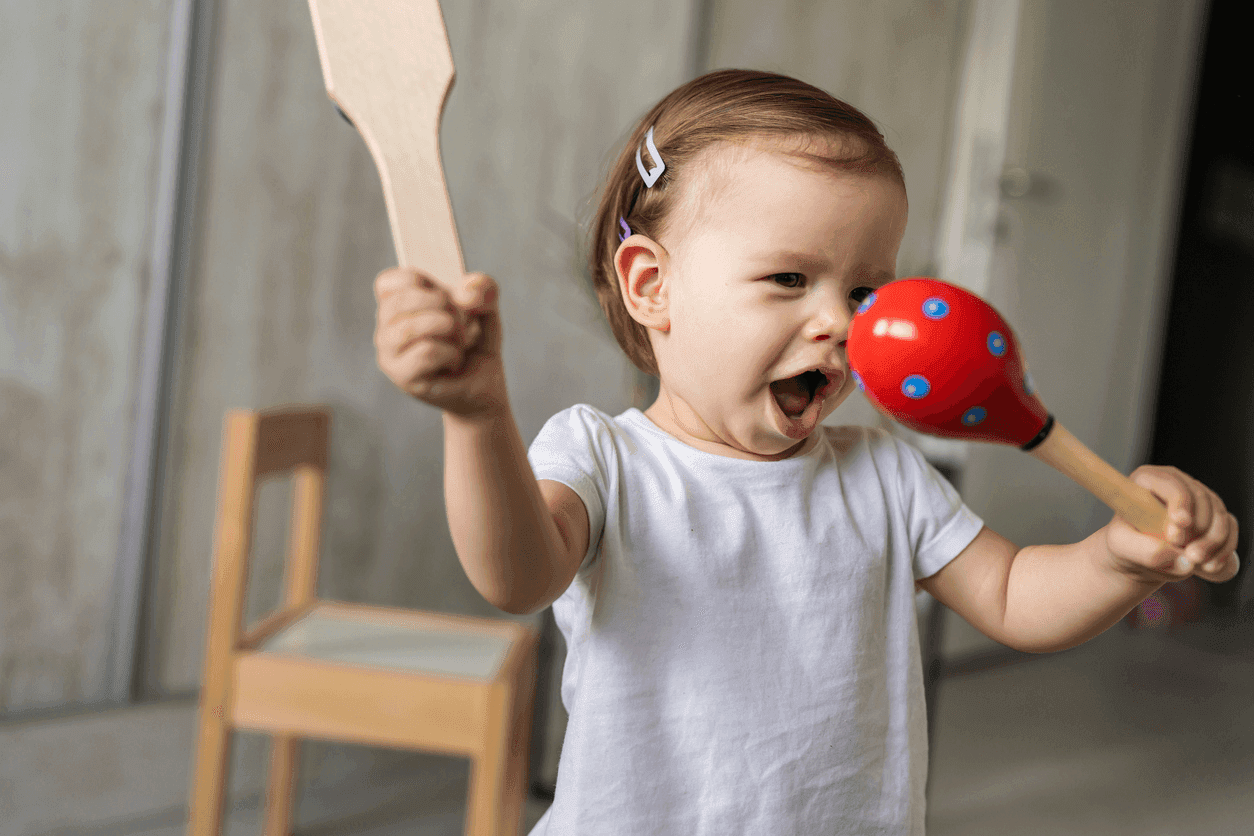
Within this context, music offers a practical and accessible approach that educators can embed into everyday practice. When used intentionally, it supports co-regulation, emotional expression and routine, three core elements of trauma-informed care.
Programs delivered by Hey dee ho provides examples of how structured musical experiences can be integrated into early learning environments. With decades of experience Hey dee ho’s play-based programs incorporate music, movement and drama to support children’s cognitive, physical and emotional development.
Music engages multiple areas of the brain at once, making it particularly effective for supporting regulation.
Key mechanisms include:
- Rhythm creates predictability, helping children anticipate what comes next
- Repetition strengthens memory pathways and reinforces routines
- Melody and movement activate calming physiological responses
- Shared experiences build connection and a sense of safety
For children who have experienced stress or disruption, these elements can support the conditions required for regulation, engagement and learning.
Co-regulation is a relational process in which educators support children to return to a regulated state through calm, responsive interactions. Music provides a consistent and non-verbal way to scaffold this process.
In practice, this may include:
- transition songs that signal upcoming changes
- rhythmic clapping or tapping to slow pace and focus attention
- call-and-response patterns to re-engage children
- guided movement to channel high energy safely
When embedded consistently, these strategies can create shared cues that children recognise and respond to over time.
Trauma-informed practice prioritises children’s ability to identify and express emotions safely. Music can provide multiple pathways for this to occur.
It can support emotional development by:
- offering creative outlets for complex feelings
- introducing language that labels emotions
- allowing variation in tempo and volume to reflect internal states
- encouraging social interaction and empathy
Structured music programs can strengthen these outcomes by intentionally linking movement, language and expression.
Predictability is a cornerstone of both behaviour guidance and trauma-informed practice. Music provides consistent sensory cues that support transitions and reduce uncertainty.
Embedding music into daily routines can:
- ease high-risk transitions such as pack-away, mealtimes and rest
- establish clear, repeated patterns across the day
- support children with additional needs, including autism or sensory processing differences
- help educators maintain a calm and consistent pace
These micro-routines contribute to a more regulated environment overall.
Music does not require specialist training to be effective. Simple, consistent approaches can support meaningful outcomes:
- Establish predictable musical cues - use the same songs for key parts of the day to reinforce routine.
- Match rhythm to energy levels - slow rhythms support calming, while faster beats enable safe release of energy.
- Develop a regulation playlist - include songs linked to breathing, movement and connection.
- Incorporate key word sign or Auslan - this supports inclusion and communication for children with diverse needs.
- Prioritise connection - use eye contact, proximity and children’s names to strengthen relationships during musical interactions.
As expectations around behaviour guidance and child safety continue to evolve, services are seeking approaches that are both evidence-informed and easy to implement.
Music aligns with key elements of the National Quality Framework, particularly in supporting children’s wellbeing, relationships and learning. It also provides a consistent, low-cost strategy that can be used across age groups and settings.
Programs such as those delivered by Hey dee ho demonstrate how structured approaches can complement everyday practice, offering educators shared tools and language to support regulation and engagement.
Music is not an ‘add-on’ within early learning environments. It is a practical, developmentally appropriate tool that supports regulation, strengthens relationships and builds predictable routines.
When embedded intentionally, it enables educators to respond to behaviour through connection and co-regulation, supporting improved outcomes for children across all areas of development.
Further information about hey dee ho’s programs is available here.


Don’t miss a thing


Related Articles