


NSW Year 1 phonics results improve as more than 60 public schools recognised
 Article
Year 1 phonics results have continued to improve across NSW public schools, with almost two-thirds of students meeting or exceeding the expected achievement level in 2025.
More than 60 public schools are being recognised for high achievement and improvement in phonics as Year 1 students across the state undertake the 2026 Phonics Screening Check.
In 2025, 64 per cent of participating Year 1 students met or exceeded the expected achievement level, compared with 60 per cent in 2024 and 55 per cent in 2022.
The NSW Government has attributed the improvement to its focus on explicit phonics instruction, curriculum reform and targeted support for students requiring additional assistance.
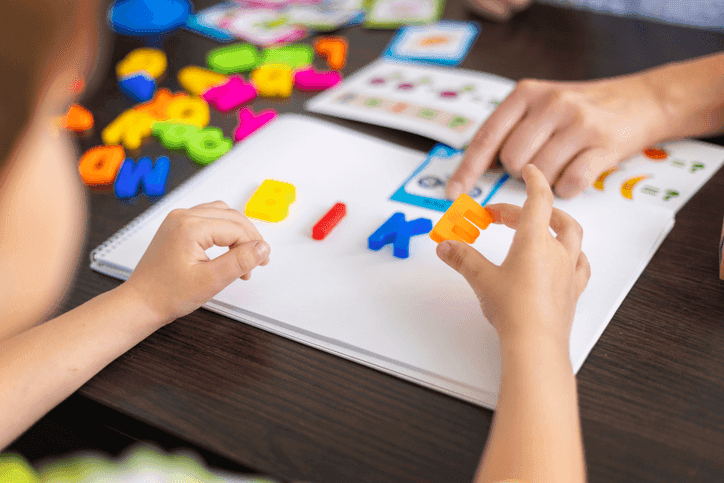
The Year 1 Phonics Screening Check is a short assessment of children's ability to apply their knowledge of letter-sound relationships when reading words.
The check contains 40 words and takes approximately five to seven minutes to complete individually with a teacher.
In 2025, 61,964 Year 1 students from 1,648 NSW public schools participated, with 64 per cent correctly answering at least 28 items, the expected achievement level for the assessment.
The average number of correct responses was 28.5.
The proportion of students meeting or exceeding the expected achievement level has increased from 55 per cent in 2022 to 59 per cent in 2023, 60 per cent in 2024 and 64 per cent in 2025.
The NSW Government is recognising more than 60 public schools for improvement and high achievement in phonics.
Schools highlighted for their results include Liverpool West Public School, where 89 per cent of Year 1 students achieved at or above the expected level in 2025, compared with 50 per cent in 2022.
At Bankstown Public School, the proportion increased from 47 per cent in 2022 to 77 per cent in 2025, while Randwick Public School increased from 69 per cent to 87 per cent over the same period.
Regional schools recognised include Narrandera Public School, where the proportion increased from 51 per cent in 2022 to 72 per cent in 2025, and Warren Central School, which increased from 38 per cent to 72 per cent.
Deputy Premier and Minister for Education and Early Learning Prue Car said the results reflected the work being undertaken by teachers and schools to strengthen children's foundational literacy skills.
“We are proud to recognise the efforts of schools across the state in evidenced-based phonics instruction, which is leading to improved outcomes for children across NSW,” Ms Car said.
The Phonics Screening Check was trialled in NSW public schools in 2020 and became mandatory for Year 1 students in 2021.
Results are available to teachers immediately after the assessment and are designed to help identify children's strengths and areas where further support may be required.
The Department of Education says the information can be used alongside other assessment data to inform teaching and identify children who may benefit from additional support.
Students requiring additional assistance can access targeted teaching through initiatives including the Small Group Tuition Program.
The 2025 results also showed improvement among Aboriginal and Torres Strait Islander students, with 40 per cent meeting or exceeding the expected achievement level, compared with 36 per cent in 2024.
Results varied for students learning English as an Additional Language or Dialect (EAL/D), ranging from 34 per cent of students at the Beginning phase of English language proficiency to 90 per cent of students at the Consolidating phase.
The Department noted that differences between student groups should be interpreted carefully, with the screening check providing one source of information about children's developing phonics knowledge.
The focus on early identification has also expanded beyond literacy, with the Year 1 Number Screening Check rolled out across NSW public schools in 2026 following a trial involving more than 7,000 students.
The number check is designed to provide teachers with information about children's foundational numeracy skills, while the phonics check continues to provide an early indication of reading development.
The 2026 Phonics Screening Check is being conducted in NSW public schools from 10 to 28 August.
Further information is available through the NSW Government announcement and the NSW Department of Education's reporting on the Year 1 Phonics Screening Check.
A few editorial decisions here are important. I would not include “early reading success is strongly linked to equity outcomes” followed by predictions about attendance, engagement and later literacy difficulties without independent sources. Those are broader educational claims rather than findings from this announcement.
I would also avoid saying the results demonstrate the impact of “structured literacy approaches”. The Government specifically refers to explicit phonics teaching, curriculum reform and targeted support; using that terminology keeps the article faithful to the source without expanding its claims.
Finally, this is still principally a school-sector story. Its relevance to The Sector comes from early literacy, children's transition into school and the broader early-years education landscape. Keeping that distinction clear makes the piece more credible than trying to manufacture a direct ECEC implication.

Don’t miss a thing

Related Articles